
By the MakeFacelessVideo team · Updated 2026
Why a sleep story video generator is a different product than a TikTok one
Most AI video tools optimize for the wrong thing. They cut fast, add hooks every 3 seconds, layer punchy music — all the things that work for a 30-second TikTok and absolutely kill a sleep video. We tested this the hard way. When we first launched, we tried feeding bedtime scripts into our default pipeline. The result: a 9-minute video that pulled 800 views and 0:18 average watch time. People closed it before they even got comfortable.
The fix wasn't a better script. It was rebuilding the whole pacing layer. A sleep story video generator has to default to the opposite of every modern short-form instinct. Slow narrator. 12 to 30 second holds per shot. No on-screen text that demands focus. BGM at -22 dB, not -6. And the video has to be long — 10 minutes minimum, 30 minutes ideal. Below 10 minutes the YouTube algorithm refuses to surface it to the "Sleep" recommendation feed, where 80% of the actual watch time on this niche comes from.
What we changed under the hood for the sleep niche
Three things, in order of how much they moved the needle.
First, voice cadence. The default ElevenLabs voices read everything like an audiobook — competent but alert. For sleep we drop the speaking rate by ~25% and add an extra 800ms pause between sentences, 1.5s between paragraphs. The voice that worked best in our testing is "Brian" (deep, slow) running at 0.85 speed. Not "Rachel" or "Adam" — those still sound too engaged.
Second, scene duration. Most generators cut every 4-6 seconds because that's what TikTok rewards. For a sleep story video generator output we hold each shot 12-30 seconds. The visual barely changes — maybe a slow zoom or a gentle parallax. That's it. If you cut every 5 seconds in a sleep video, you create micro-decisions for the viewer's brain ("what's happening now?") and that's exactly what you don't want at 1 a.m.
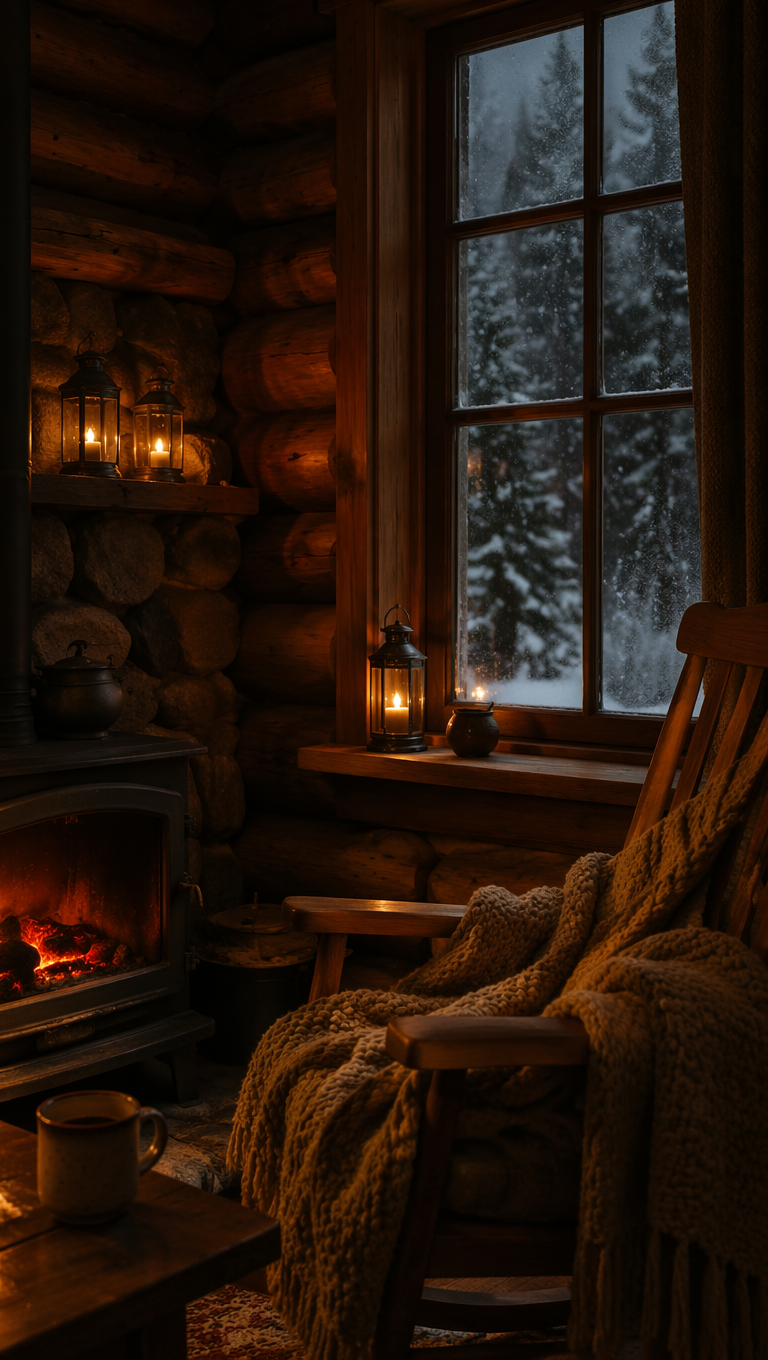
Third, BGM. Switched from cinematic orchestral to lo-fi rain, distant thunder, soft fireplace crackle, or just continuous ocean. We mixed them at -22 dB so they sit under the narrator instead of competing. We also added a 10-second fade-in at the start and a 30-second fade-out at the end. That fade-out matters more than people realize — it's how your video politely hands the listener off to the next autoplay without jolting them awake.
Three things creators get wrong on this niche
Making the video too short. The "8-12 minute average" advice you see in general YouTube guides does not apply here. Sleep channels live in the 30-60 minute range. The math: YouTube's "Sleep" / "Calm" recommendation feed treats sub-10-minute videos as not-actually-for-sleep and pushes them out. Even worse, viewers wake up at the end of short videos because the autoplay transition is jarring. Longer videos earn the loop. Some of the top channels (Jason Stephenson, Lauren Ostrowski Fenton) upload 3-8 hour single-narration files.
Picking the wrong narrator voice. Every "professional, warm, friendly" voice in your generator is wrong here — those are trained on commercial scripts and they read sleep stories with the same energy as a Sunday Best Buy ad. Use the deepest, slowest voice you have, and run it at 0.85-0.90 speed. If your sleep story video generator doesn't let you adjust speed, pick a voice marked "meditation" or "audiobook narrator" not "podcast host" or "presenter".
Optimizing for thumbnails like it's a regular YouTube video. Sleep viewers don't pick by thumbnail — they pick by title and runtime. Spend that energy on the title instead: include the duration ("3 Hours of…"), the setting ("Forest Cabin", "Train Through Norway"), and one calm-sounding promise ("To Fall Asleep In Minutes"). That's the actual SEO that wins this niche. Make 8 of those, post one a day, and watch which settings break out — then lean into those. Sleep audiences are loyal. Once they find a creator who paces things right, they come back nightly.