Scary Story Video Maker

Turn a Creepy Story into a Horror Video
Without Showing Your Face

Paste a scary story — yours or one from r/nosleep. Get a faceless horror video with atmospheric shots, a low slow narrator, and eerie BGM. Built for TikTok and YouTube Shorts.

Horror frames that do the work without a single jump-scare

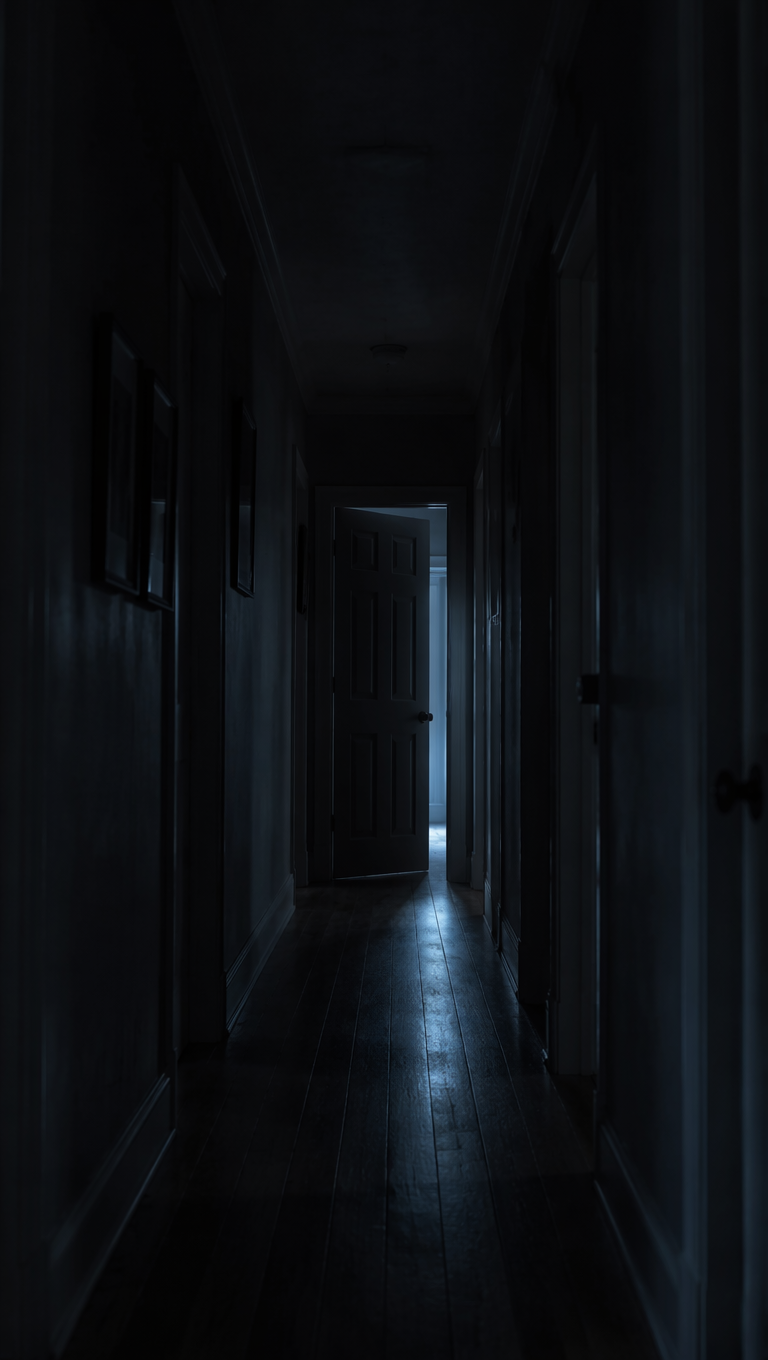
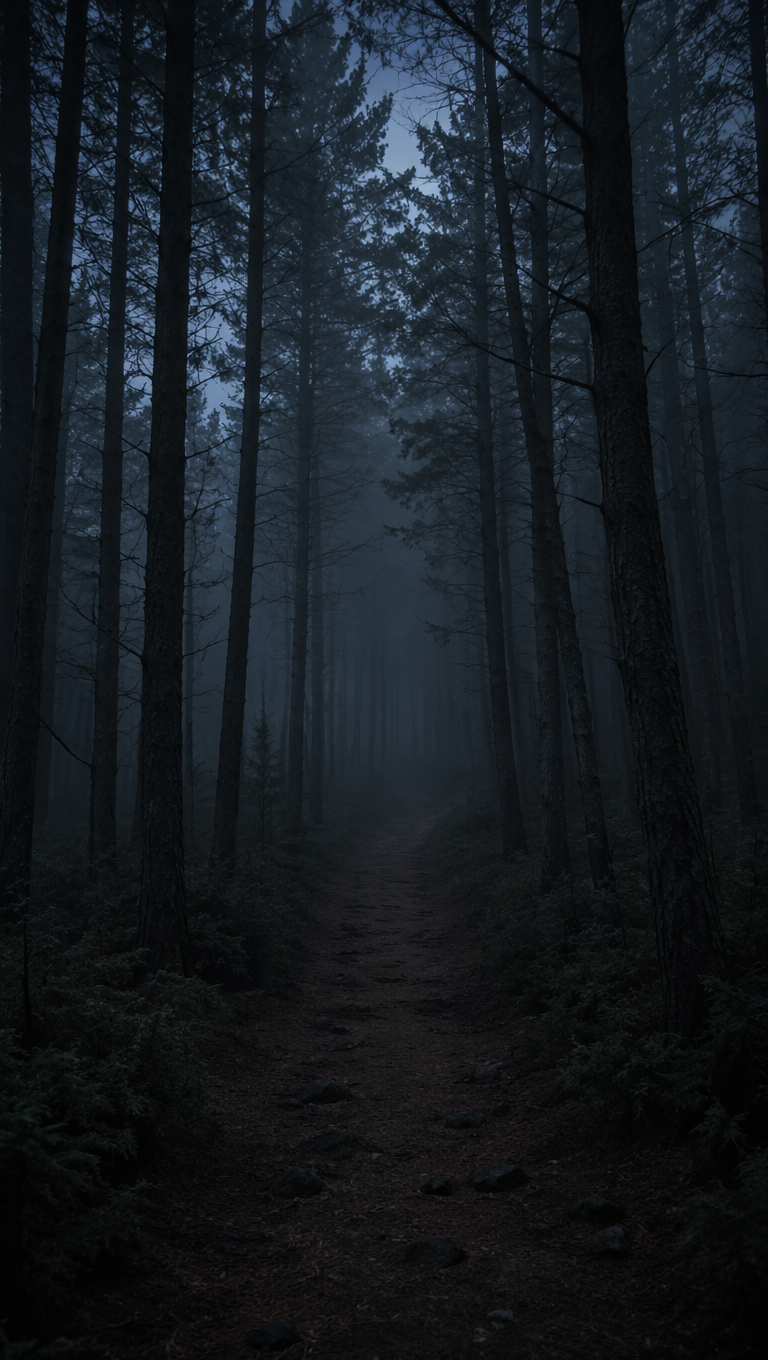
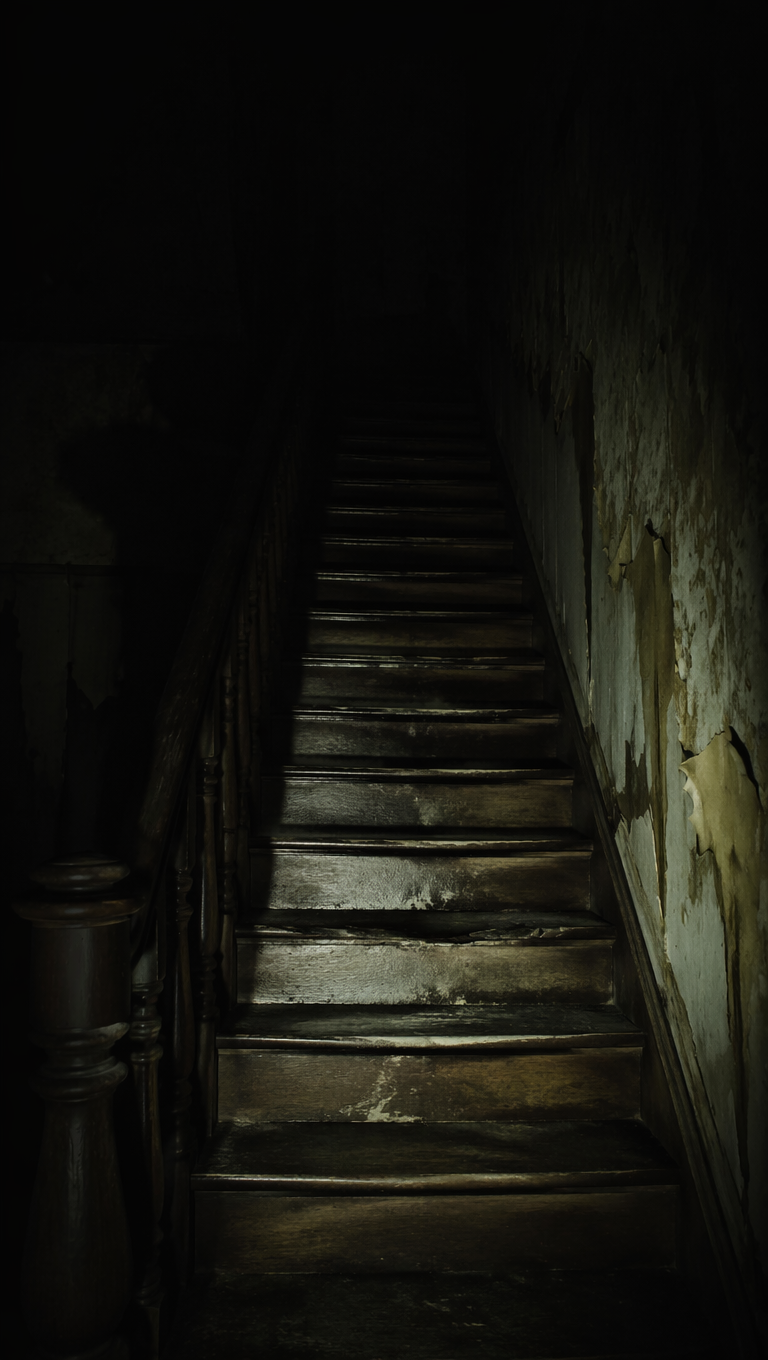
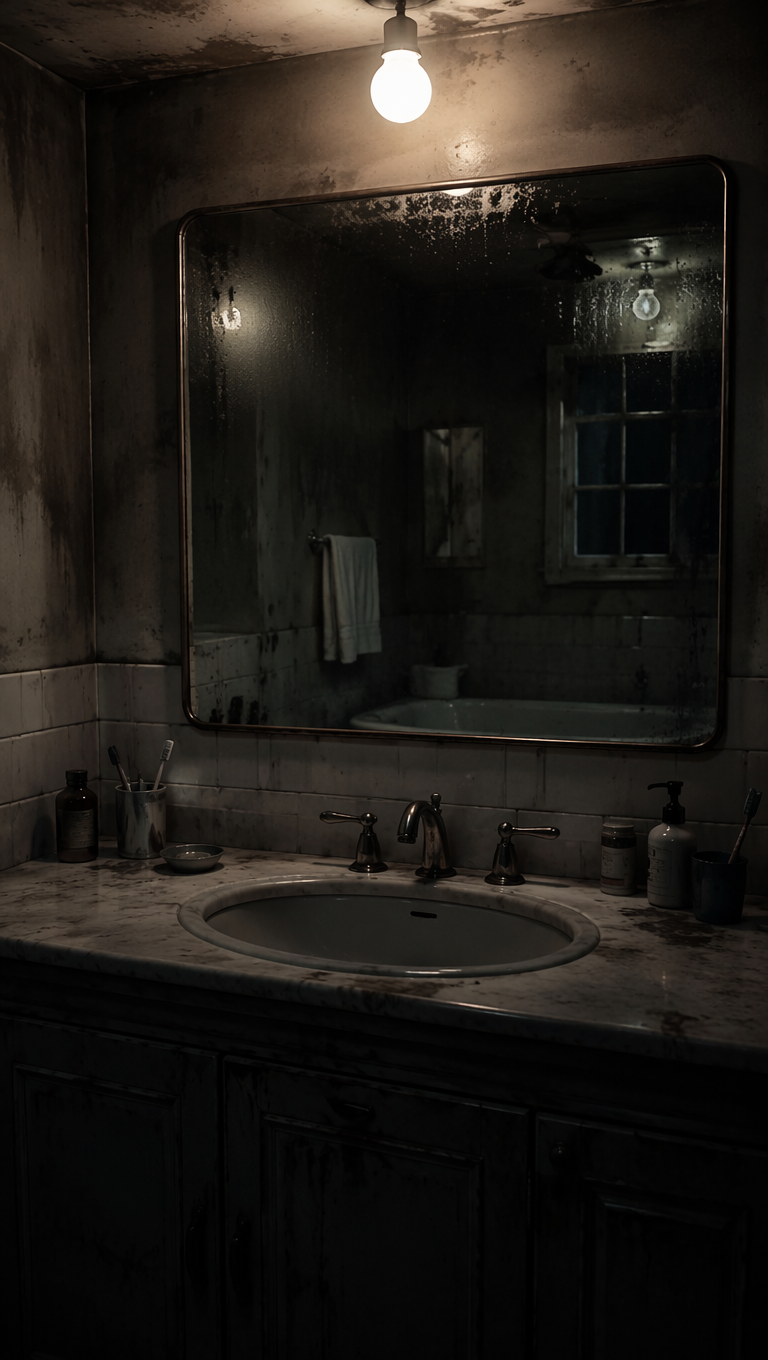
A scary story video maker lives or dies on restraint. These are all empty rooms, fog, and wrong stillness — no monsters, no gore, no faces. The dread comes from what the viewer imagines is about to enter the frame.

Long empty residential hallway at night with one far door slightly ajar leaking cold blue light — opening frame from a faceless scary story video
The door that was closed when you went to bed
Narrow dirt path leading into a dense foggy pine forest at dusk, disappearing into darkness — frame from an AI-generated horror story video
The shortcut home you should not have taken
Old wooden staircase in a dark house lit only from below by sickly light, the top swallowed in black — frame from a scary story video about footsteps
The basement light you are certain you turned off
Dim vintage bathroom at night with a fogged mirror reflecting an empty room and a flickering bare bulb — frame from a faceless horror video
The mirror that took a half-second too long to show the empty room

By the MakeFacelessVideo team · Updated 2026

Why most AI horror videos are accidentally funny

The first 20 scary story videos I made were embarrassing. Stock music that screamed BE SCARED NOW, a narrator who sounded like he was reading a Best Buy ad, and B-roll that gave away the twist in the first three seconds. They averaged 800 views and a comment section full of laughing emojis. The problem wasn't the AI — the stories were genuinely creepy. The problem was that everything in the production was trying too hard.

Horror that actually works is built on restraint, and that's the one thing a scary story video maker has to get right by default. The threat stays hidden as long as possible. The narrator sounds calm, almost detached. The visuals stay ordinary — an empty hallway, a foggy road, a normal bathroom — right up until one small thing is wrong. A reflection that lags. A door that wasn't open. The horror is in the gap between ordinary and wrong, and you cannot rush that gap.

Pacing dread is the opposite of pacing a meme

Comedy and most viral short content reward speed — cut fast, land the punchline, move on. Horror is the inverse. When I switched from 1.5-second cuts to 6-8 second holds, average watch time roughly doubled on the same scripts. A scary story needs the viewer's imagination to fill the silence, and imagination needs time. If you cut away before the dread can settle, you're just showing a slideshow of spooky stock photos.

The narrator matters even more. The default voices in most tools read horror with the same energy as everything else — alert, clear, slightly upbeat. Wrong. A horror narrator should sound like someone telling you something they're still a little disturbed by, in a low and unhurried voice. We default to "Brian" at a slowed rate for exactly this. A scary story video maker that narrates dread like a podcast intro will never land, no matter how good the script is.

Three things that get horror channels demonetized or laughed at

Over-scoring. New creators pile on dramatic strings, sudden stingers, and a constant ominous drone. It exhausts the viewer and telegraphs every beat. Use near-silence. A single low hum at -24 dB, the occasional distant sound, and long stretches of quiet. The fear lives in the quiet — that's where the viewer's brain does your job for free.

Showing the monster. The instant you render a clear creature or a face, the spell breaks. Now it's about that specific thing on screen, not the thing the viewer was imagining — and what they imagined was always scarier. Our scary story video maker defaults to suggestion: empty rooms, shadows, objects out of place, the back of a figure. Never the full reveal. Restraint is not a limitation here, it's the entire craft.

Triggering content policy. Horror is a minefield on YouTube and TikTok. Graphic gore, anything involving minors in distress, real-crime details, or self-harm imagery can demonetize or remove a video, sometimes the whole channel. Psychological dread — the uncanny, the wrong, the unexplained — sails through almost every time and performs better anyway. Keep it suggestive and atmospheric, not graphic. Post one a day, see which premises land, and lean into the formats that survive both the algorithm and the comment section.

Real questions about making faceless horror videos

What story formats work best for AI horror videos?

+

Short first-person dread works best: a single narrator, one location, one wrong thing that escalates. r/nosleep-style "this happened to me" stories are ideal because the first-person framing makes the faceless format feel natural. Avoid multi-character slashers and anything that needs a visible monster — those need a budget and a face. The uncanny (something ordinary is subtly wrong) beats the monstrous (something obviously scary) almost every time.

How long should a faceless scary story video be?

+

Longer than other faceless niches because dread needs build-up. 60-90 seconds on TikTok and Shorts, with most of that spent on the slow setup and only the last 10-15 seconds on the payoff. Cutting a horror story to 30 seconds kills it — there is no room to build. For YouTube long-form horror compilations, 10-30 minutes of stitched stories performs well.

Why does AI narration always sound flat for horror?

+

Because most TTS voices are tuned for clarity and friendliness — the opposite of dread. Two fixes: pick the deepest, slowest voice available (we default to Brian) and run it at 0.85-0.90 speed, and write in short sentences with hard stops so the voice is forced to pause. Long flowing sentences make any TTS sound like an audiobook. Horror needs the narrator to sound like they keep stopping to listen.

Can I post AI-generated horror stories on r/nosleep?

+

r/nosleep has strict rules: stories must be original, presented as true, and you cannot disclose they're fiction in-thread. AI-assisted writing is a grey area and many subreddits now ban or flag obviously AI-generated text. Safer path: use r/nosleep and r/shortscarystories as inspiration, write the script yourself, and publish the video to YouTube/TikTok rather than back to Reddit. Always credit or rewrite if you adapt someone else's story.

What BGM works for horror without getting copyright-claimed?

+

Less is more and safer. A single sustained low drone at -24 dB, ambient room tone, distant wind or rain, and long silences. Procedurally generated or licensed dark-ambient loops are cleanest — we bundle several free. Avoid any track that builds to a stinger; not only does it telegraph the scare, popular horror stings on free libraries get re-claimed by labels constantly. Mix everything well under the narrator.